In this short text, we will discuss the most important issue related to the dashboard and display, the meaning of red lights. Do they really all make you come to an abrupt stop?
Here is a list of the most important lights, with a brief explanation!
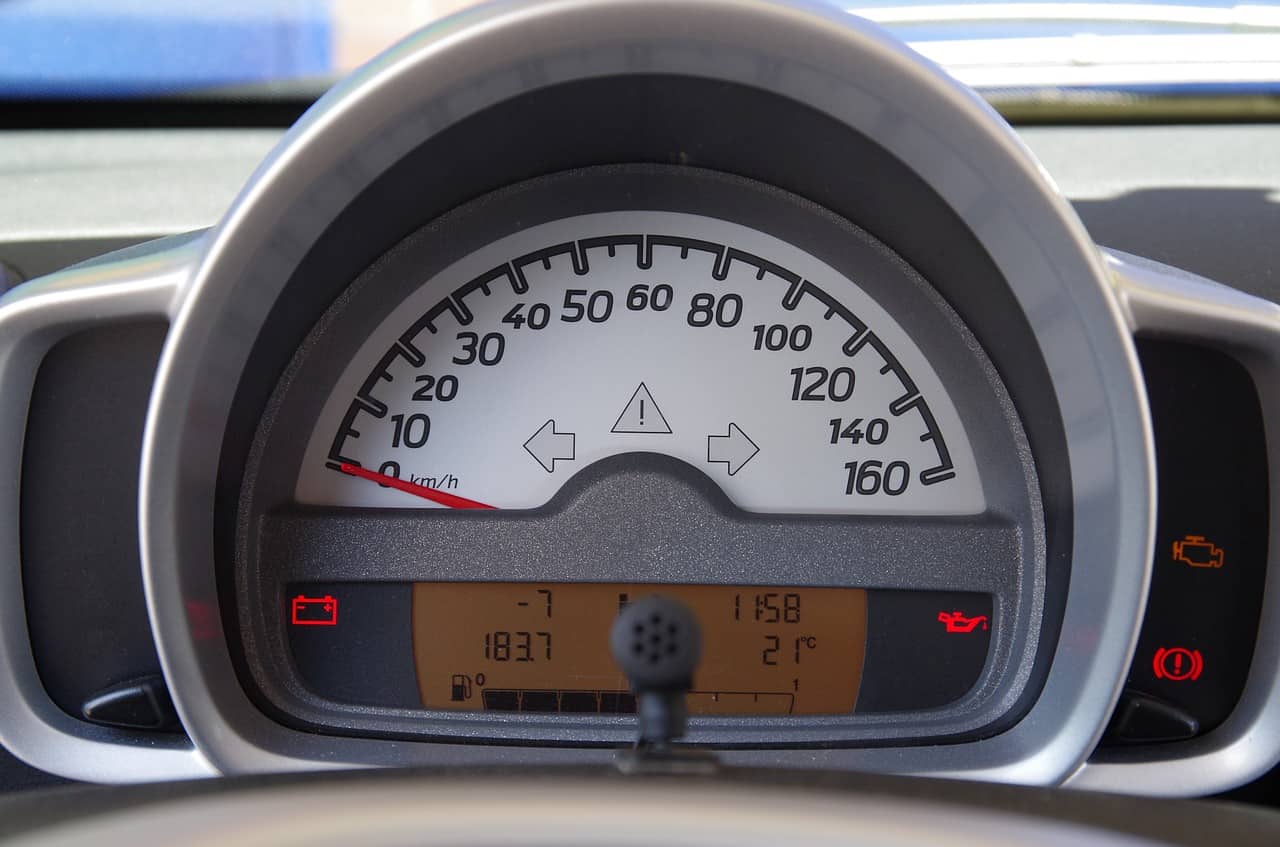
a) (P) – applied handbrake. If it appears while driving, it may indicate a component failure. It also indicates that the emergency brake is applied. You cannot drive with this light on!
b) (!) – other failure. Indicates that the car may be low on brake fluid or coolant. The car may also indicate the need for a service inspection. It is best to go to a garage right away. Lack of brake fluid is also a symbol of a wave in the wheel.
(c) Triangle in a triangle – hazard lights on. It does not affect the technical aspect in the car.
d) ! in a triangle – dangerous failure. In case of such a light, you should immediately go to the workshop. It may indicate various damages to the vehicle, including the brake system.
e) Wheel with intermittent rim – worn discs or brake pads
f) ABS inscription in the wheel – ABS failure (may also be ESP or other name in the wheel) – go to the workshop immediately.
g) Red steering wheel – power steering system failure. Go to a workshop at your earliest convenience. It has no effect on other faults
h) Wheel in front of man in seat belt – airbag failure. In this case, go to a workshop or call a tow truck. The airbag may go off, so if you are driving – drive carefully and slowly!
i) Battery – could mean a dead battery. If it occurs while driving, it is most likely that the charging is faulty. Go to the nearest garage or your vehicle will soon be immobilized
j) Red thermometer in water – very high coolant temperature. Stop the vehicle, wait a moment and check the fluid level. Replenish! If it is leaking heavily, call a tow truck and take the car to a repair shop.
k) Bottle with a drop – critical oil level. Stop the car immediately and top up the oil. The engine cannot run without it. If you notice a leak, call for roadside assistance!
(photo: pixabay.com)