Sponsored article
In an era where technological advancements permeate every corner of industry, the food production sector is no exception. From autonomous farming systems to sophisticated supply chain logistics, automation is at the forefront of revolutionizing how we produce and distribute food. This transformation not only enhances efficiency but also promises a more sustainable future by reducing resource usage and waste. Join us as we delve into the groundbreaking automation techniques that are changing the face of food production.
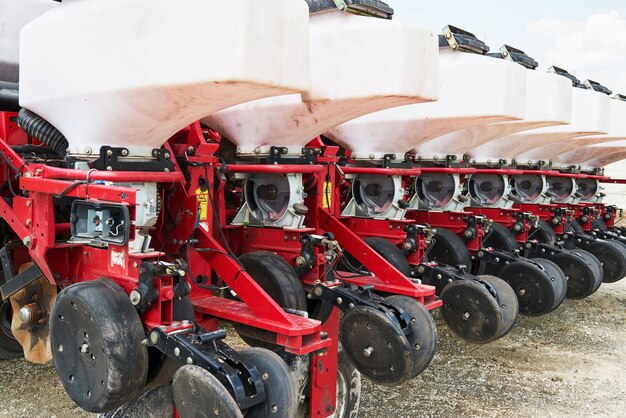
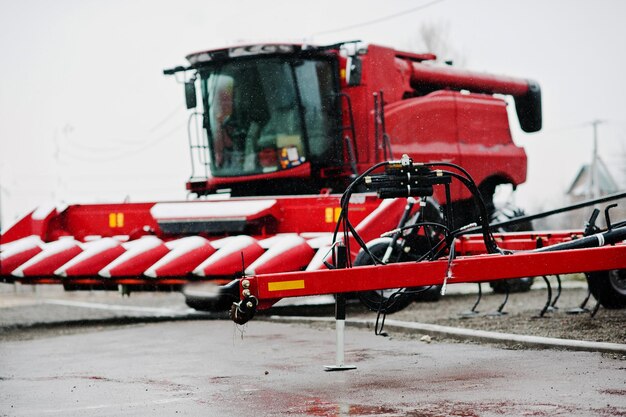
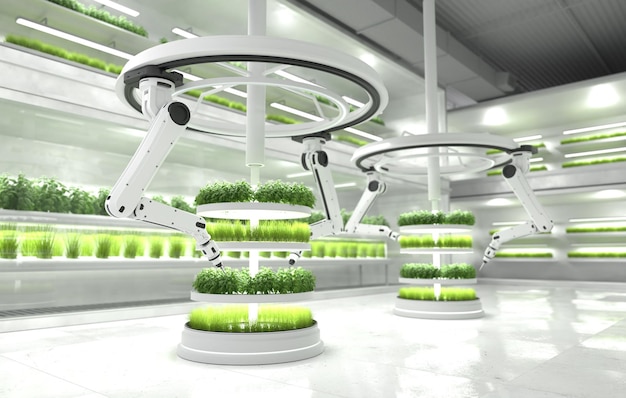
Autonomous farming systems are at the forefront of revolutionizing agriculture by introducing technologies like drones and robotic farming tools that enhance precision agriculture. These advanced systems play a crucial role in improving farming efficiency and crop yield by employing sophisticated sensors and GPS technology. Drones, for instance, provide precise aerial data that helps farmers monitor crop health, soil conditions, and irrigation needs, enabling targeted interventions to optimize resources and reduce waste. Similarly, robotic farming equipment automates tasks such as planting, watering, and harvesting, allowing for 24/7 operations without human fatigue, significantly increasing productivity.
NOMA, a leader in advanced automation, though primarily focused on food processing, shares a vision for automation that resonates with the agricultural sector’s quest for efficiency. Their innovative approach exemplifies how precision technologies are crucial not only in food processing but also in agricultural practices. The integration of autonomous farming solutions assures sustainability by minimizing resource use and enhancing yield quality, aligning with global agricultural goals. Learn more about NOMA’s automated solutions here.
The advent of smart supply chains is fundamentally transforming food logistics through cutting-edge supply chain automation. By seamlessly integrating AI and IoT technologies, businesses in the food production industry are now able to optimize logistics like never before. These advanced automation techniques provide real-time data analytics, allowing for precise monitoring and management of the supply chain processes. As a result, logistics systems become more efficient, greatly reducing delays in food transportation and ensuring fresher products reach consumers.
Moreover, the incorporation of AI-driven insights into supply chain automation helps in significantly reducing waste, a persistent issue in food logistics. IoT sensors track inventory and predict demand fluctuations, enabling quick adjustments to production and distribution strategies. This increased responsiveness not only curtails food wastage but also improves adaptability to changing consumer needs. Ultimately, smart supply chains offer an innovative approach to maximize efficiency, sustainability, and customer satisfaction in the food supply sector.
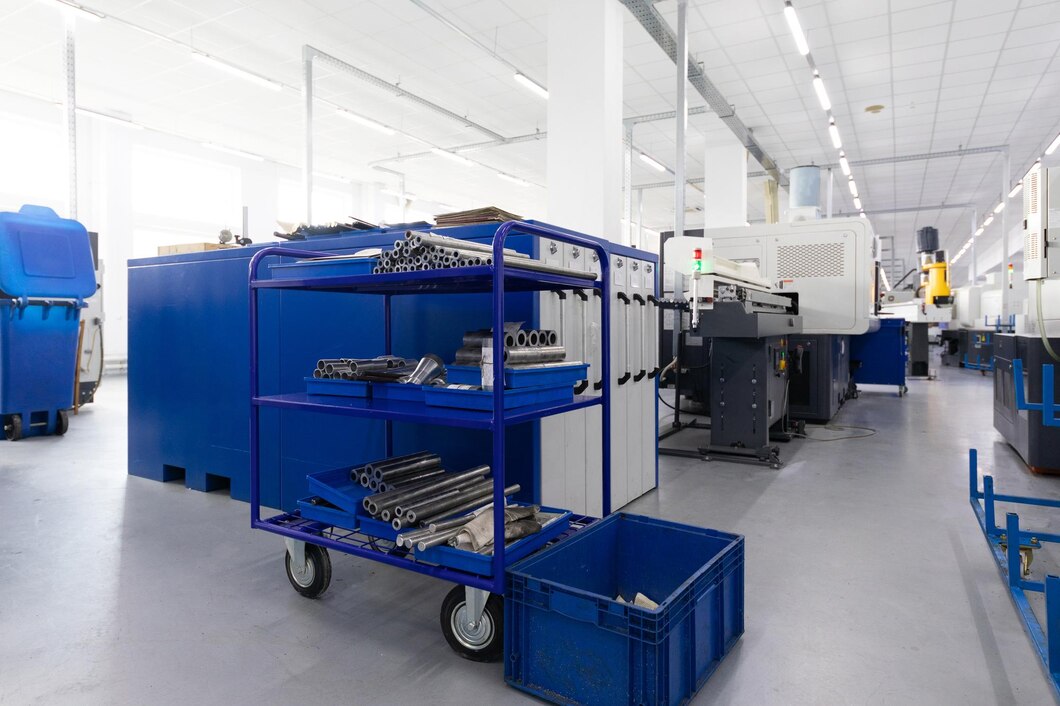
In the realm of food processing, the integration of automated machinery is nothing short of transformative, significantly elevating production capabilities. Automation facilitates faster processing rates, allowing businesses to scale up their operations without sacrificing quality. Automated systems ensure uniformity and precision across production lines, which translates into products that consistently meet exacting standards. This consistency is crucial for maintaining brand reputation and satisfying customer expectations. Furthermore, automation enhances quality control measures by employing advanced sensors and monitoring systems designed to detect defects or deviations from stipulated parameters.
Automated machinery also plays a pivotal role in reducing human error, which is often unavoidable in manual processes. By minimizing these errors, companies can diminish waste and improve overall efficiency. Key benefits of automation in food processing include:
Ultimately, automation in food processing is an indispensable ally for companies striving to optimize their operations and deliver superior quality products to the market.